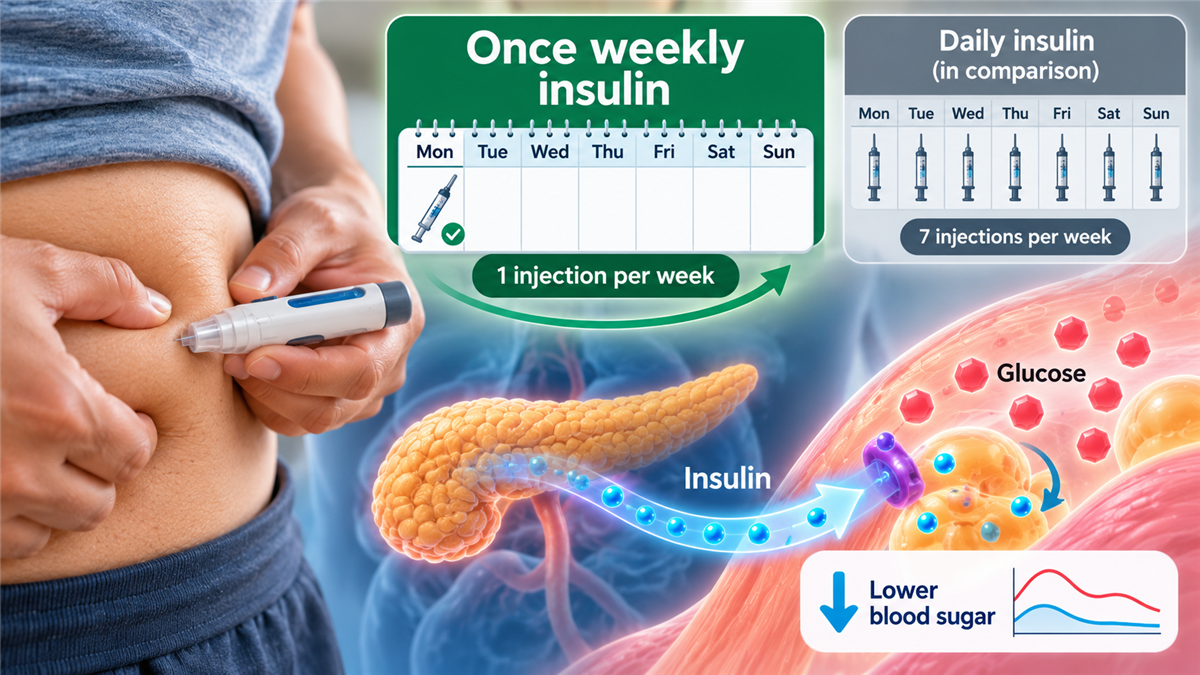
FDA Approves Onswik as the Second Once-Weekly Insulin in the US
Insulin efsitora alfa-gobe (Onswik) is the second US-approved once-weekly basal insulin for adults with type 2 diabetes.
Insulin efsitora alfa-gobe (Onswik) is the second US-approved once-weekly basal insulin for adults with type 2 diabetes.
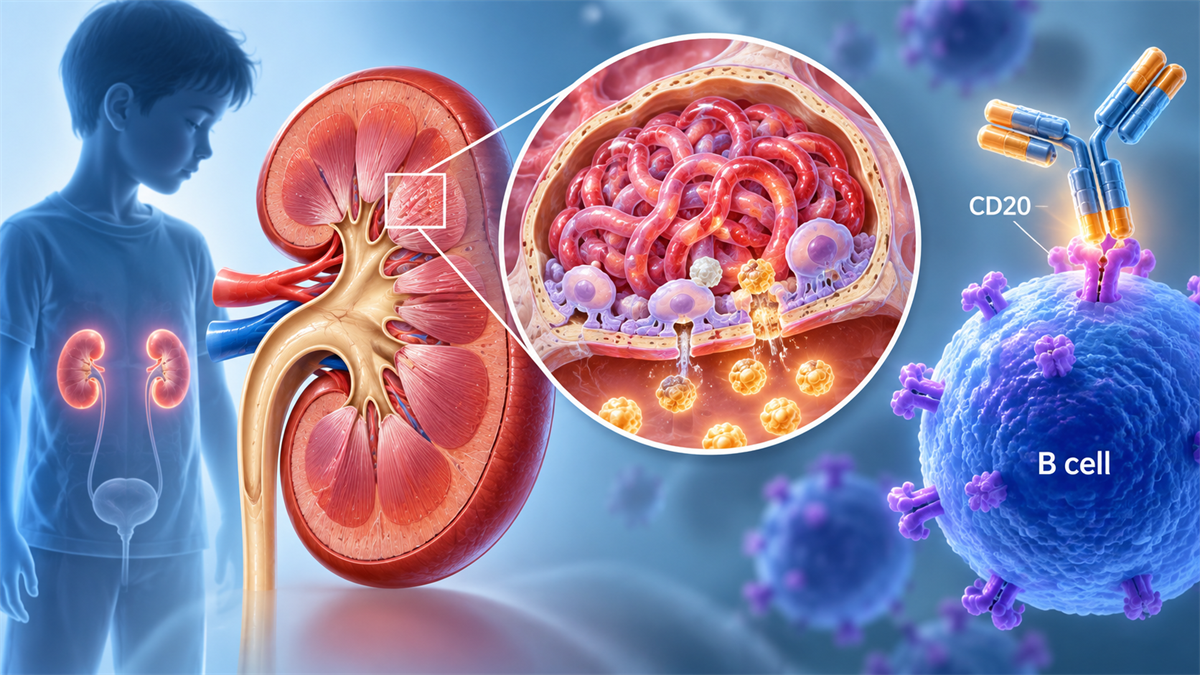
The FDA has approved obinutuzumab for patients aged 2 years and older with frequently relapsing or steroid-dependent childhood-onset idiopathic nephrotic syndrome who are already in remission. In the randomized Phase 3 INShore trial, the B-cell-targeted treatment maintained remission more effectively than mycophenolate mofetil, but it also carries important immune-suppression risks.
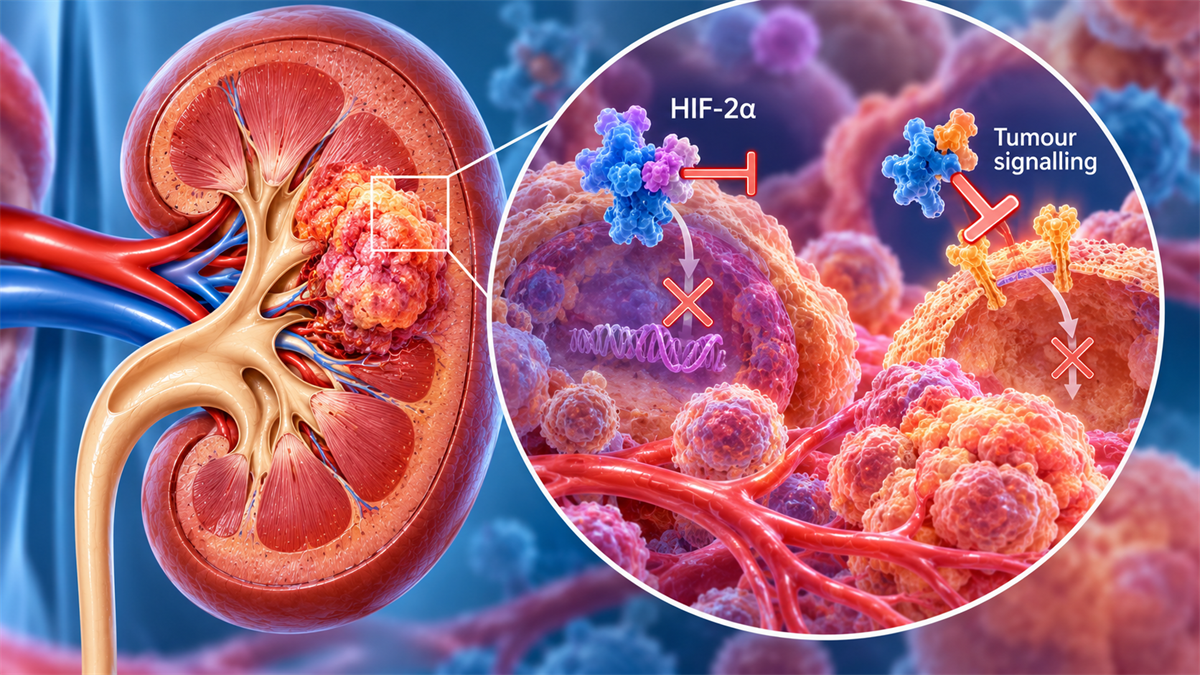
The FDA has approved belzutifan plus lenvatinib for adults with advanced clear-cell kidney cancer after previous PD-1 or PD-L1 immunotherapy. In a randomized trial of 747 patients, the combination delayed cancer progression and produced more tumour responses than cabozantinib, although a statistically significant overall-survival benefit was not demonstrated.
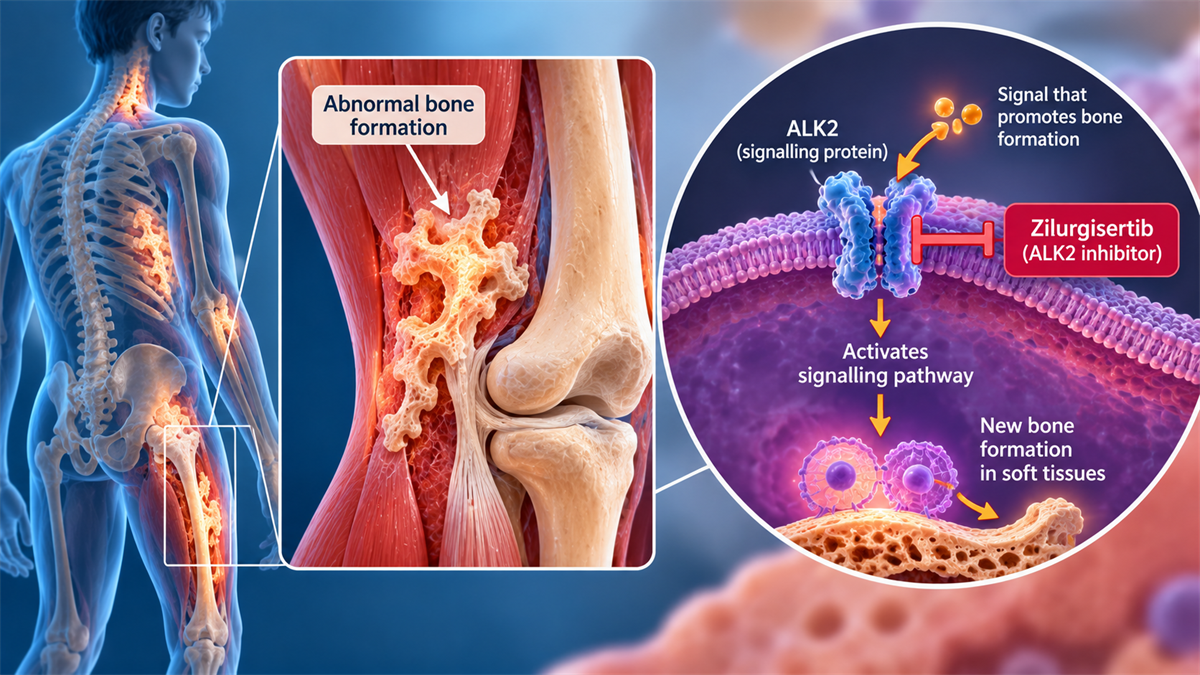
The FDA has approved zilurgisertib for adults and children aged 12 years and older with fibrodysplasia ossificans progressiva, an ultra-rare genetic disease that causes abnormal bone to form in muscles and other connective tissues. The oral drug reduced new abnormal bone formation in a small randomized trial, but it does not reverse bone that has already formed or prove that established disability can be restored.
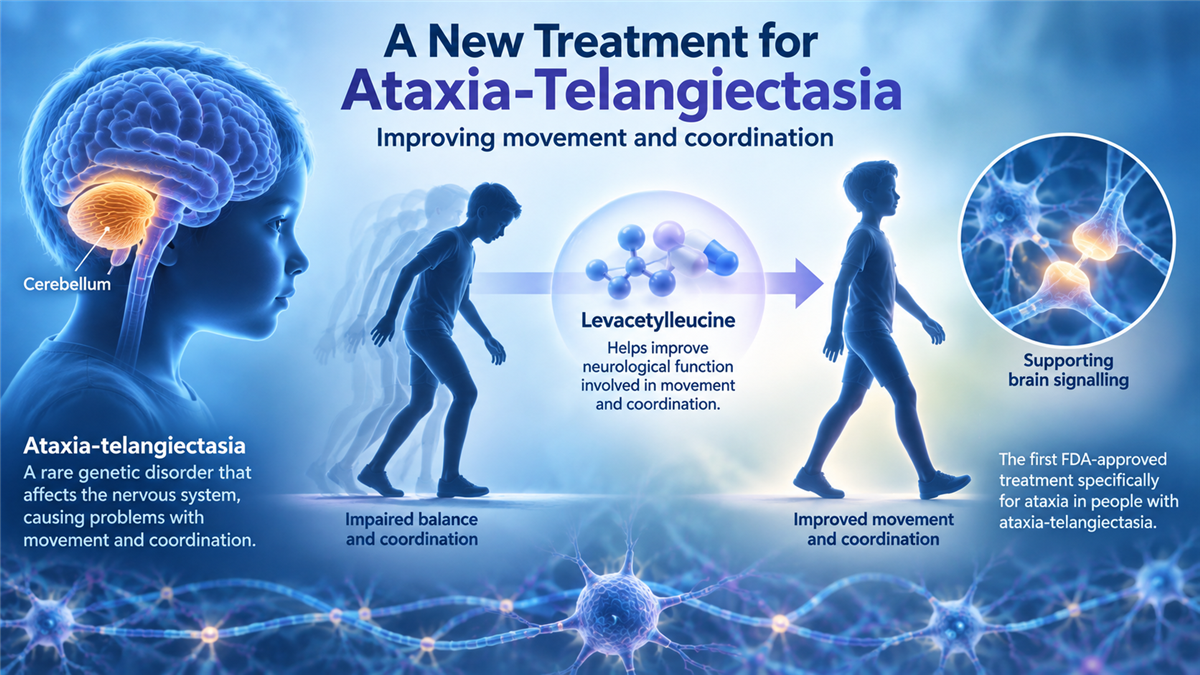
The FDA has approved levacetylleucine for ataxia associated with ataxia-telangiectasia, creating the first approved treatment specifically for this neurological feature of the rare inherited disease. A randomized Phase 3 trial found improved ataxia scores over 12 weeks, but whether the treatment changes long-term neurodegeneration remains unknown.
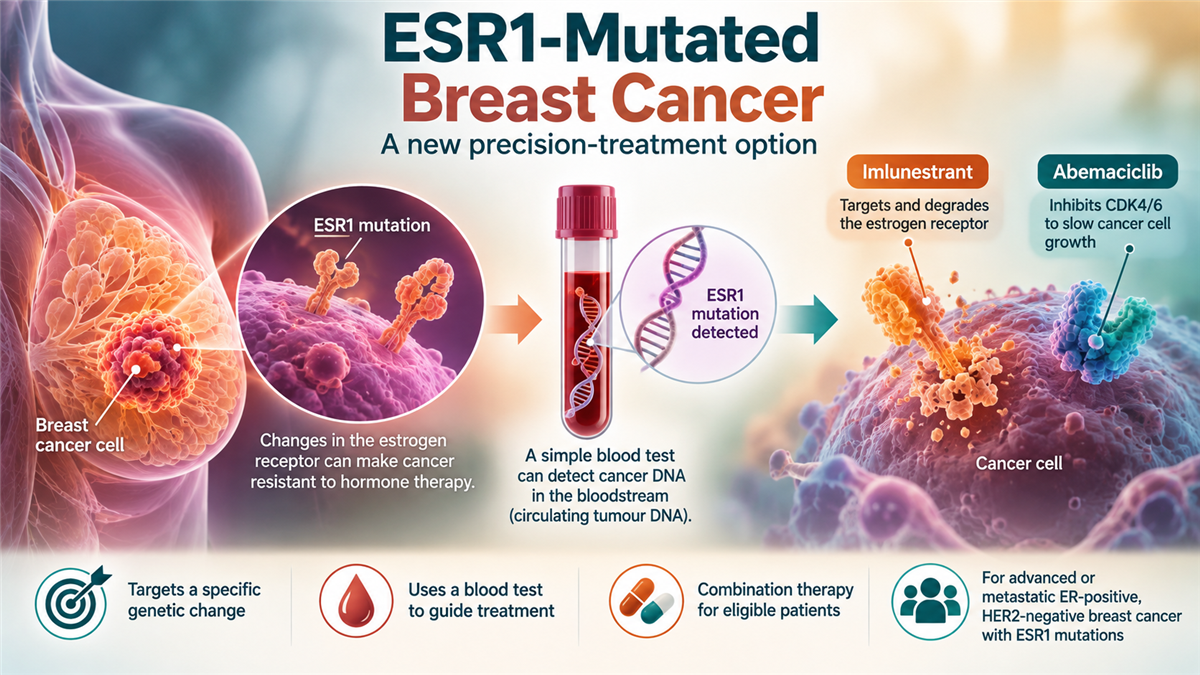
The FDA has approved imlunestrant with abemaciclib for adults with ER-positive, HER2-negative, ESR1-mutated advanced or metastatic breast cancer after progression on endocrine therapy. The decision adds another precision-treatment option guided by a tumour mutation that can be detected in circulating tumour DNA.
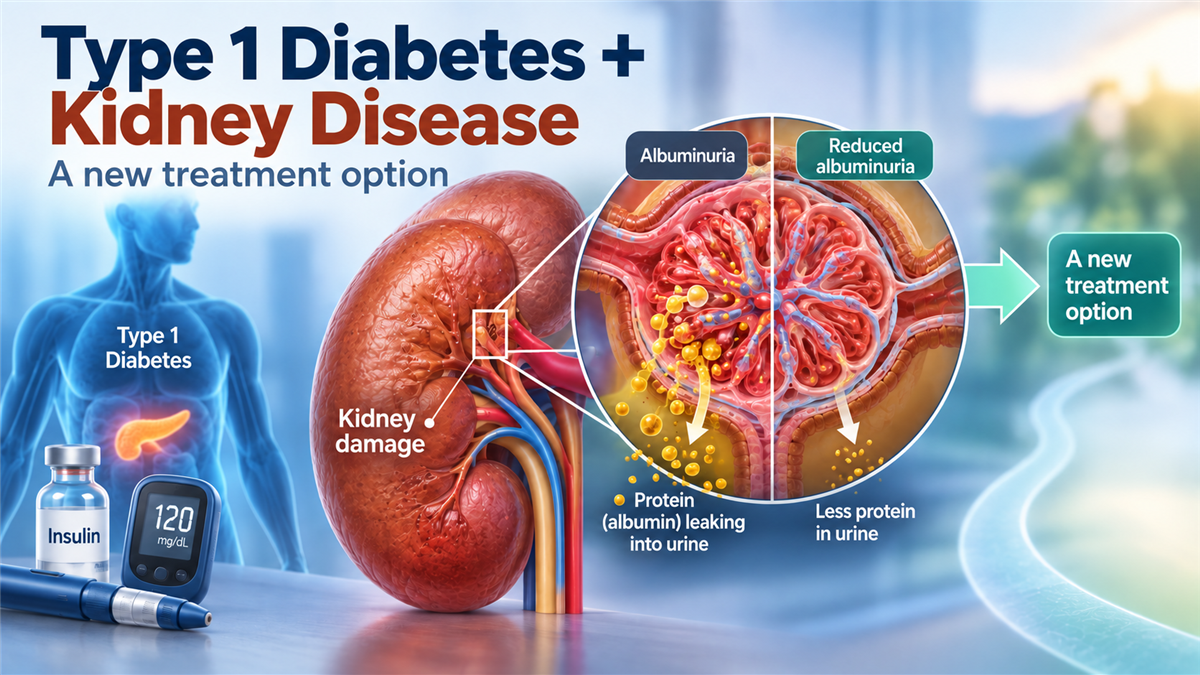
The FDA has expanded finerenone treatment to adults with chronic kidney disease associated with type 1 diabetes, following a Phase 3 trial showing a significant reduction in urinary albumin. The approval provides a new kidney-directed treatment option, but the trial did not directly prove that finerenone prevents kidney failure or dialysis in this population.
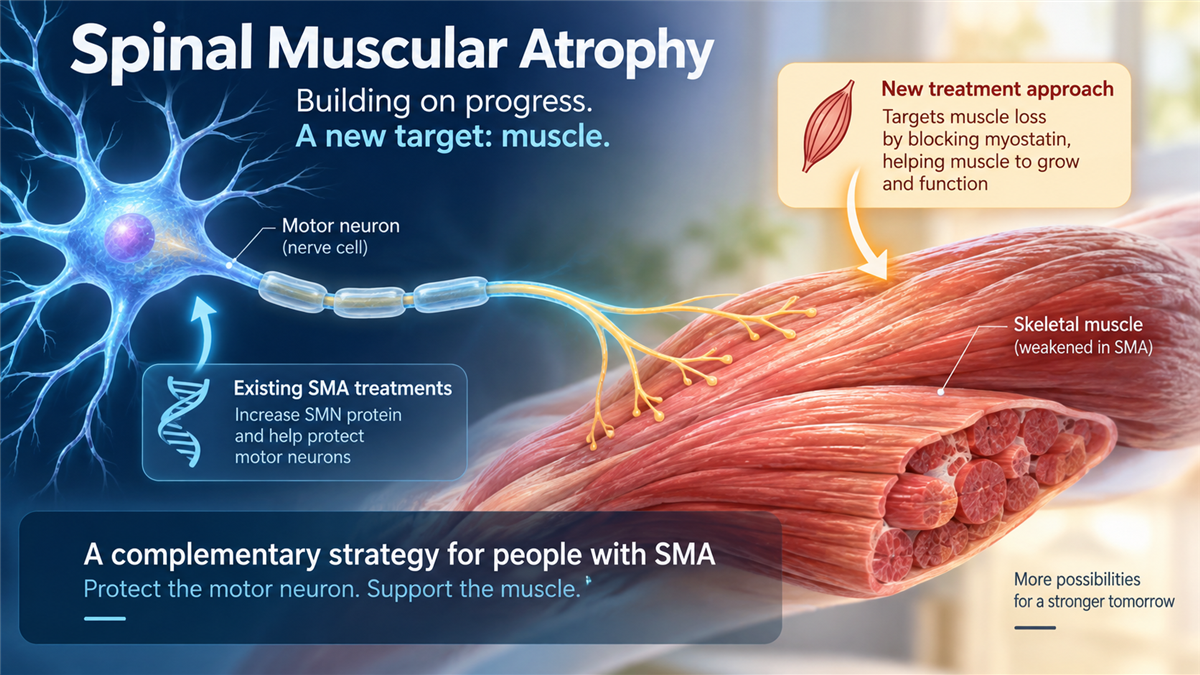
The FDA has approved apitegromab as the first spinal muscular atrophy treatment designed to act directly on muscle loss. It is used alongside existing SMN-targeted therapy rather than replacing it, adding a new treatment strategy for people who can remain weak despite major advances in SMA care.

The FDA has expanded approval of sevabertinib so that some people with advanced HER2-mutated lung cancer can receive the targeted treatment before other systemic therapy, marking another step toward treatment based on a tumor’s genetic changes.
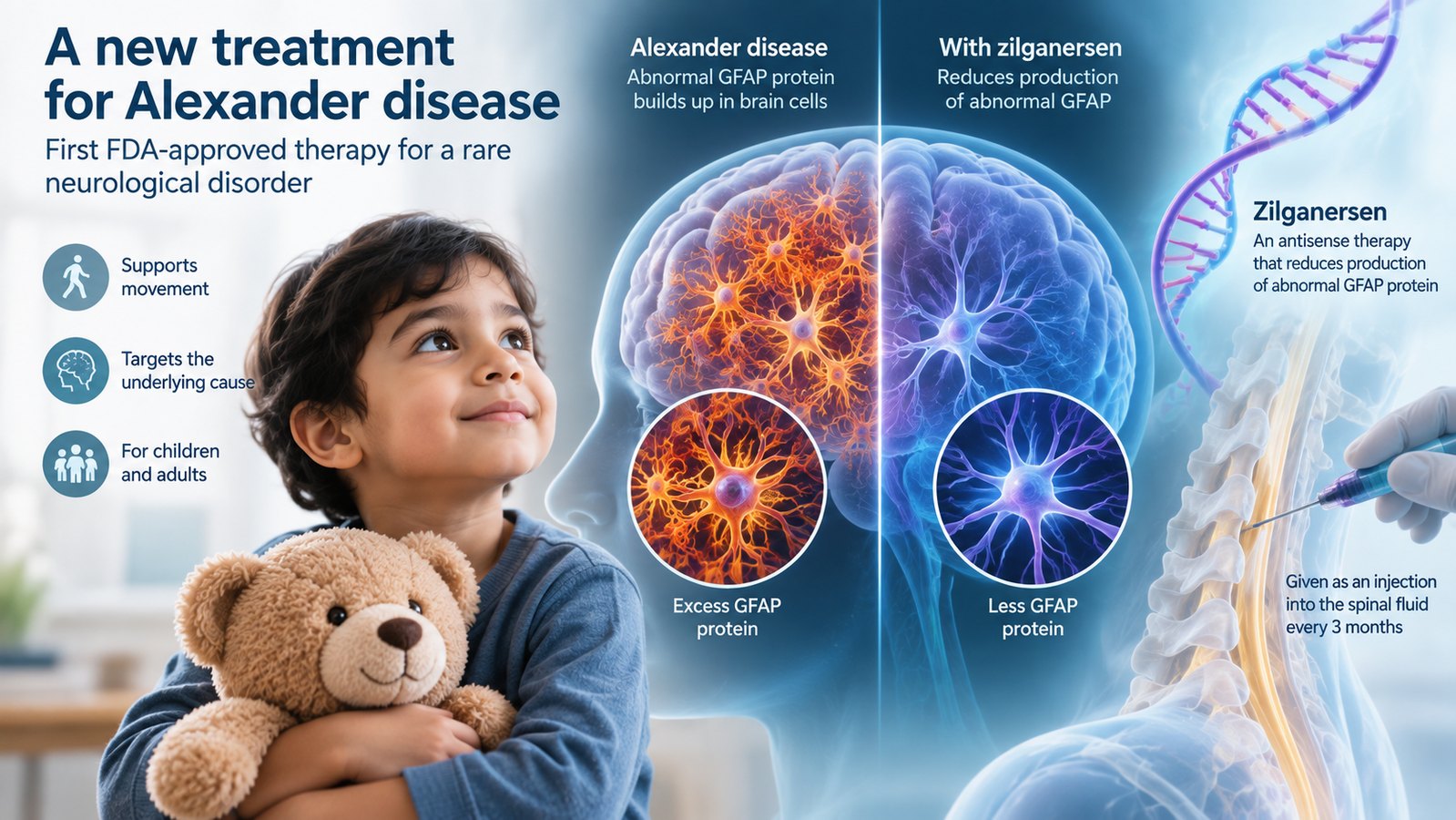
Zilganersen is the first approved treatment for Alexander disease and is designed to reduce production of the abnormal protein that drives this rare neurological disorder.

The US FDA has strengthened the warning for ferric carboxymaltose after continued reports of serious low phosphate levels, particularly in people receiving repeated treatment.