The US Food and Drug Administration has approved Onswik (insulin efsitora alfa-gobe), a once-weekly long-acting insulin for adults with type 2 diabetes. It is the second once-weekly insulin approved in the United States.
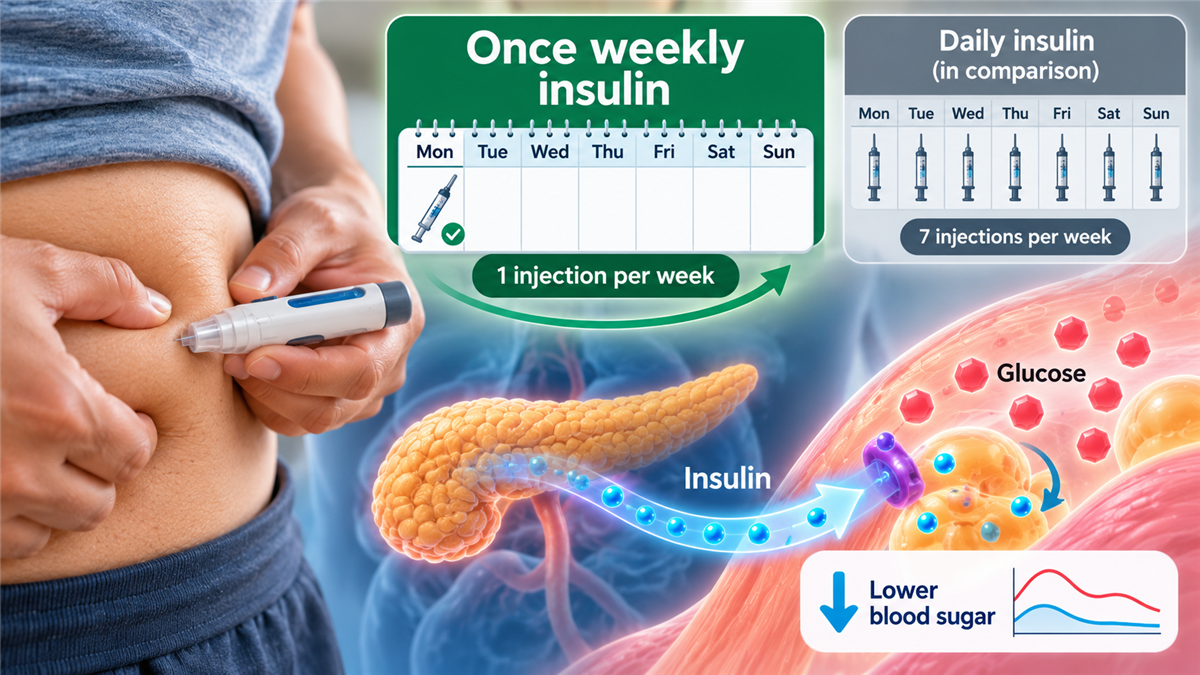
Onswik is used alongside diet and exercise to improve glycaemic control. It is injected under the skin on the same day each week. The FDA does not recommend it for people with type 1 diabetes because of an increased risk of severe hypoglycaemia.
Basal insulin provides a steady background supply of insulin between meals and overnight. A daily basal-insulin schedule can require about 365 injections a year; a weekly schedule reduces that to about 52. The main innovation is therefore a substantial reduction in injection frequency, not a cure for diabetes.
Four randomised Phase 3 studies evaluated efsitora in adults who were new to insulin, already using daily basal insulin, or using basal plus mealtime insulin. Across the studies, once-weekly efsitora reduced HbA1c—a measure of average blood glucose over several months—to a similar extent as once-daily insulin glargine or insulin degludec.
As with every insulin, low blood glucose is the central safety concern. Severe hypoglycaemia can cause seizures, loss of consciousness, life-threatening complications or death. Other reported reactions include allergic reactions, injection-site reactions, changes in fatty tissue at injection sites, itching, rash, swelling and weight gain. The label also warns about medication errors and accidental overdose, low potassium and fluid retention with certain medicines.
The longer action means that starting treatment and changing doses must be done carefully under clinical supervision. Patients should follow the prescribed weekly schedule and seek individual advice about glucose monitoring and what to do if a dose is missed.
Onswik offers a less frequent basal-insulin option while maintaining effective HbA1c reduction. It does not remove the need for ongoing diabetes care, monitoring, diet, activity and other medicines when indicated.