
An implanted electrical-stimulation treatment substantially reduced pain and improved sensation in people with severe painful diabetic neuropathy in a randomized clinical trial.
The study also reported preliminary changes in tiny nerve fibres in the skin, raising the possibility that the treatment's effects may extend beyond simply reducing how pain is perceived.
However, the study does not yet prove that spinal-cord stimulation regenerates damaged diabetic nerves.
The multicentre trial included 91 adults whose painful diabetic neuropathy had not responded adequately to conventional treatment.
What is diabetic neuropathy?
Long-term diabetes can damage nerves, particularly those reaching the feet and lower legs.
This is called diabetic peripheral neuropathy.
Some people develop severe burning, stabbing or electric-shock-like pain.
Others lose sensation.
Loss of feeling can be particularly dangerous because injuries to the feet may go unnoticed, contributing to ulcers, infections and, in severe cases, amputations.
Medicines can reduce neuropathic pain for some patients, but they do not work adequately for everyone.
What is spinal-cord stimulation?
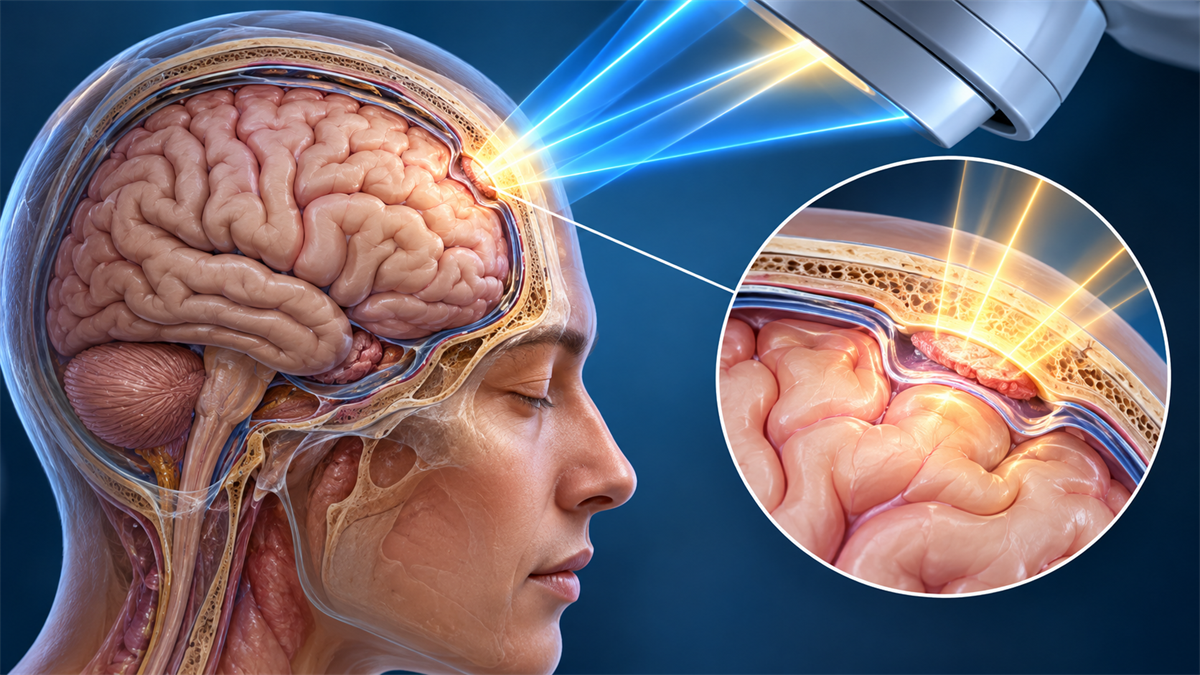
Spinal-cord stimulation uses a small implanted pulse generator connected to thin electrical leads positioned close to the spinal cord.
The system delivers electrical signals intended to alter abnormal pain signalling.
The treatment tested in this study used high-frequency stimulation at 10 kHz.
Spinal-cord stimulation is not an entirely new treatment for painful diabetic neuropathy.
The particularly interesting question in this research was whether its effects might include improvements in sensation and measurable nerve characteristics, rather than pain relief alone.
What did the trial find?
Among patients treated with high-frequency spinal-cord stimulation, 79.4% achieved at least a 50% reduction in lower-limb pain.
In the group receiving conventional medical treatment alone, the corresponding figure was 4%.
Researchers also reported improvements in sensory testing among patients receiving stimulation.
These findings suggest a substantial treatment effect in carefully selected patients with severe painful diabetic neuropathy.
What did researchers see in the nerves?
The investigators also examined small nerve fibres in skin samples.
They reported preliminary evidence of increased small nerve-fibre density in some patients receiving stimulation.
This is scientifically interesting because diabetic neuropathy involves damage to peripheral nerves.
However, the finding must be interpreted cautiously.
A change in nerve-fibre density in a relatively small study is not the same as proving that spinal-cord stimulation regenerates damaged nerves or reverses diabetic neuropathy.
Further independent studies are needed.
Why does improved sensation matter?
Pain relief is important, but loss of sensation is another major problem in diabetic neuropathy.
If future research confirms that spinal-cord stimulation can genuinely improve useful sensation, the clinical implications could extend beyond pain management.
That possibility is particularly relevant in countries with a high burden of diabetes.
However, researchers still need to establish whether improvements in sensory tests translate into fewer foot injuries, ulcers or amputations.
What are the limitations?
The study was relatively small.
Patients knew whether they had received an implanted spinal-cord stimulation system, which can influence subjective outcomes such as reported pain.
The findings relating to small nerve fibres are preliminary and require confirmation.
The study also had industry funding and investigator-industry relationships that should be disclosed when interpreting the evidence.
Does everyone with diabetic neuropathy need an implant?
No.
Spinal-cord stimulation is an invasive treatment involving implantation of a medical device.
This study involved patients with severe painful diabetic neuropathy that had not responded adequately to other treatment.
It should not be interpreted as a first treatment for ordinary diabetic neuropathy or as a replacement for good diabetes management and foot care.
Patients require specialist assessment to determine whether an implanted stimulation system is appropriate.
Evidence so far
Randomized evidence for substantial pain reduction and improved sensation — possible nerve-structure changes remain preliminary
The pain findings are clinically impressive.
The suggestion that the treatment may also affect peripheral nerve structure is potentially important, but it needs independent confirmation before being described as nerve restoration or regeneration.